{{ 'fb_in_app_browser_popup.desc' | translate }} {{ 'fb_in_app_browser_popup.copy_link' | translate }}
{{ 'in_app_browser_popup.desc' | translate }}
{{ childProduct.title_translations | translateModel }}
{{ getChildVariationShorthand(childProduct.child_variation) }}
{{ getSelectedItemDetail(selectedChildProduct, item).childProductName }} x {{ selectedChildProduct.quantity || 1 }}
{{ getSelectedItemDetail(selectedChildProduct, item).childVariationName }}
Published 2024. Product line-up and specifications have since changed — see the further reading below for current models.
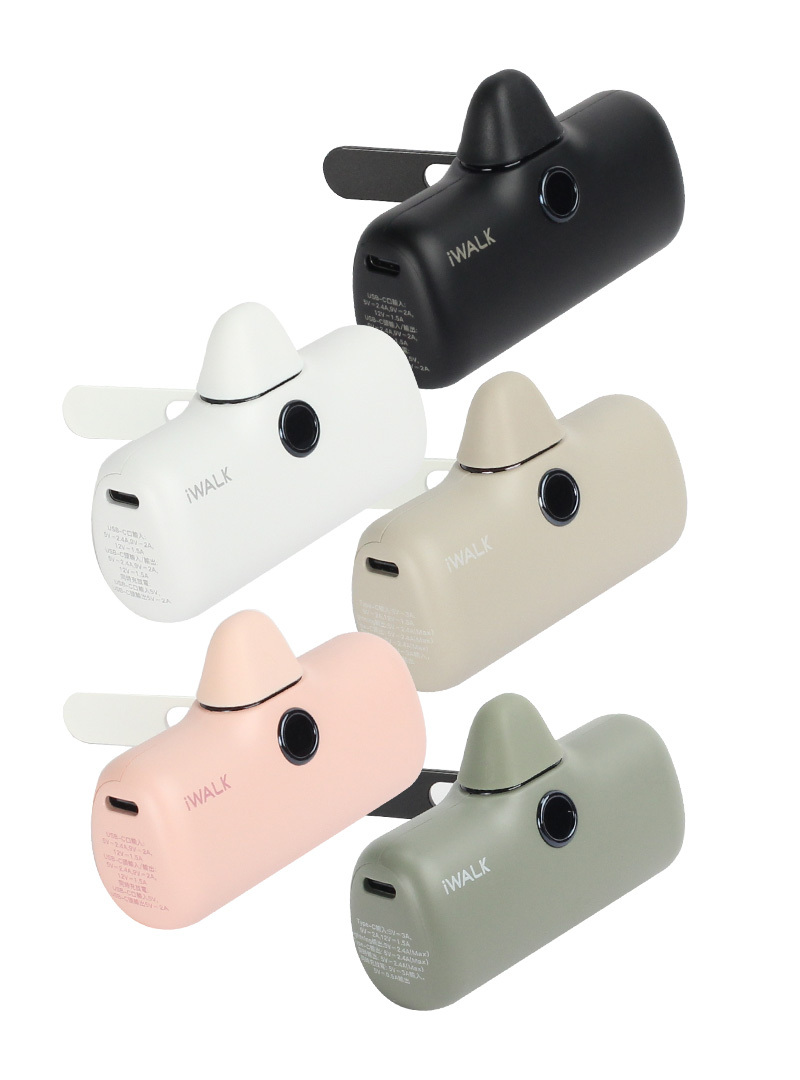
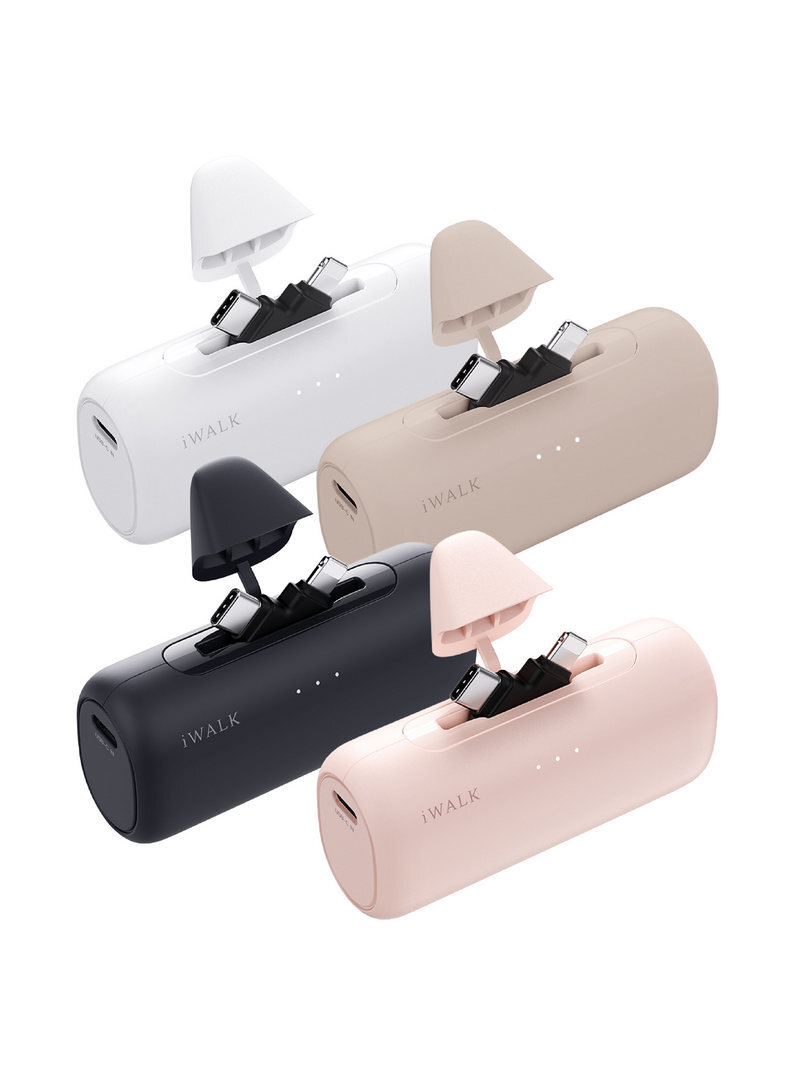
iWALK released two power banks in 2024, both built around being light, easy to carry and simple to use.

Before anything else, check whether the power bank carries BSMI certification from Taiwan's Bureau of Standards, Metrology and Inspection. That mark is the first test of whether a product is legal and safe. All iWALK power banks are BSMI certified — certificate number R55885.
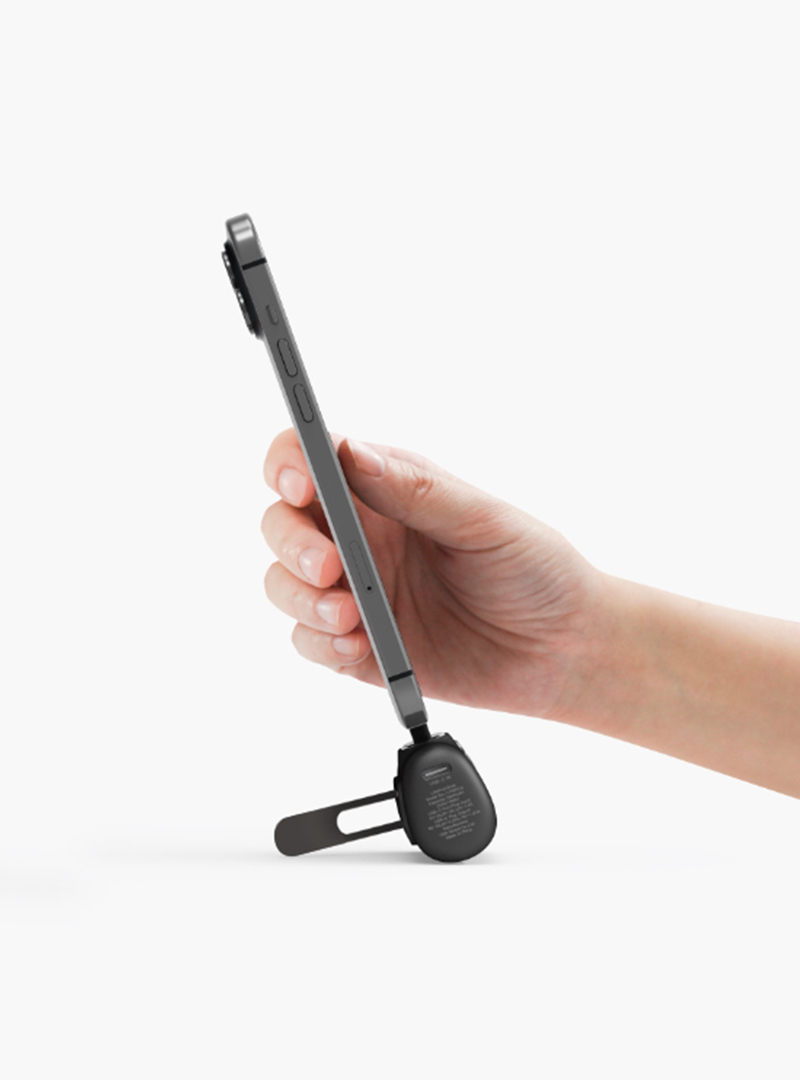
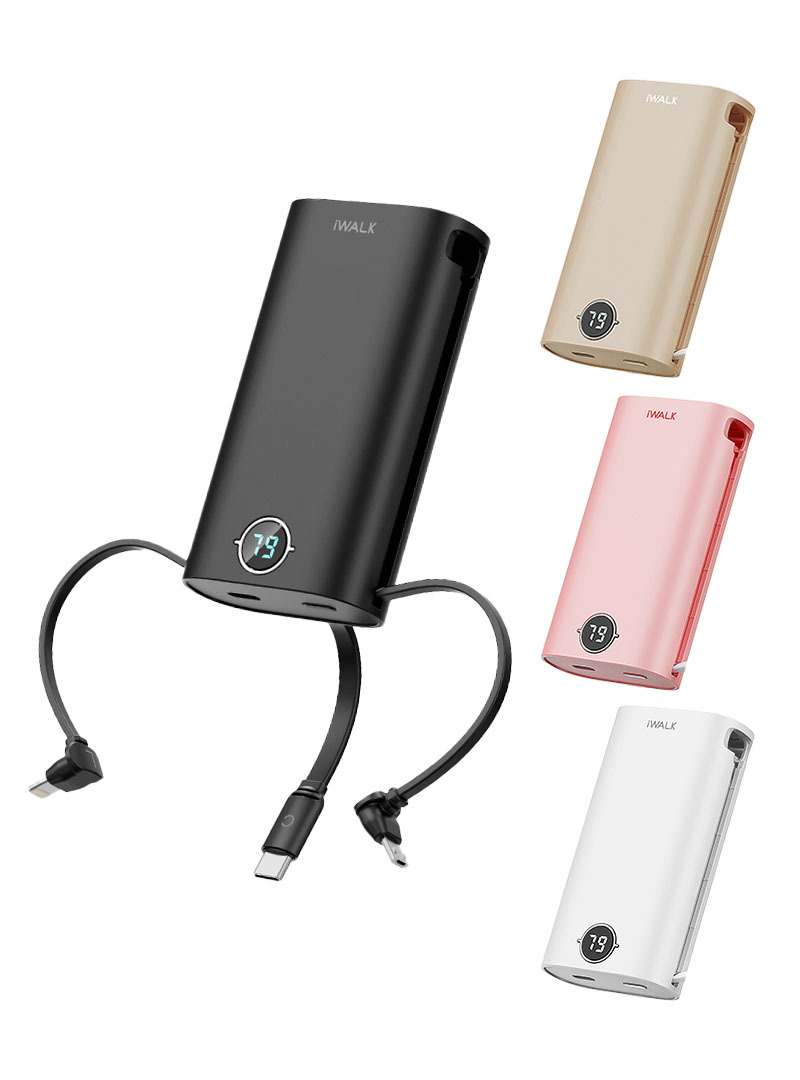
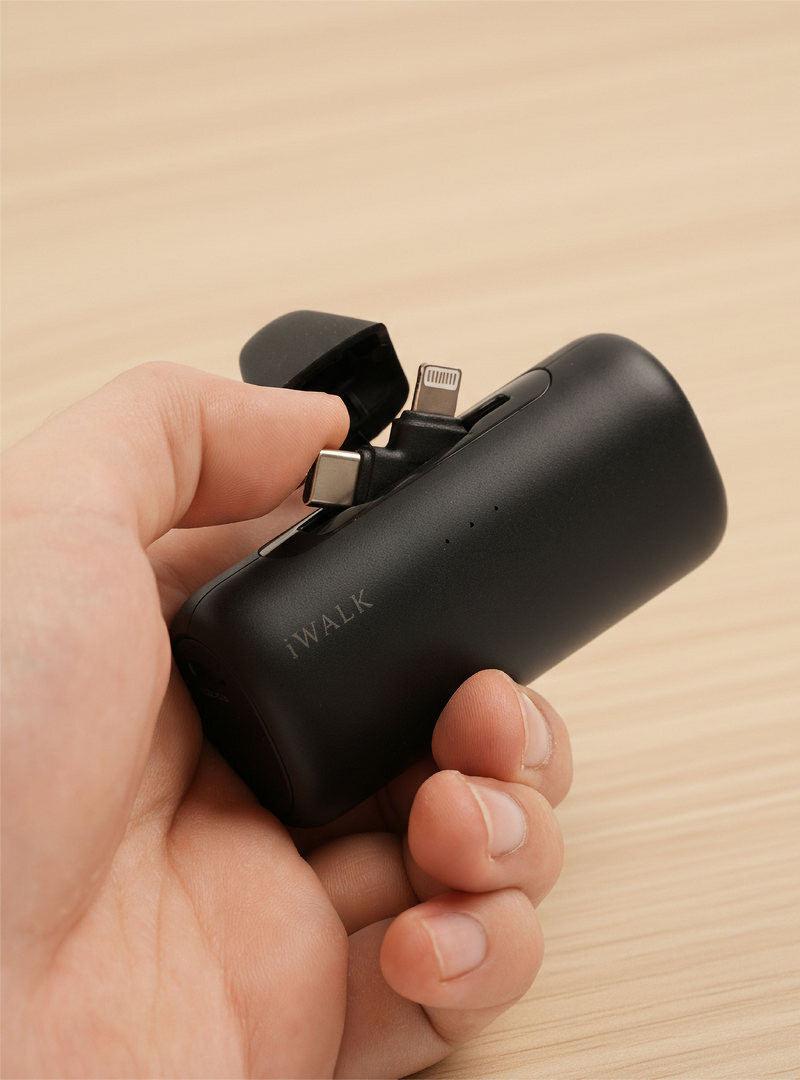
Most newer power banks include a cable, so you do not have to carry a separate one. Choosing a model with a built-in cable or a plug-in design means one fewer thing in the bag, and a tidier bag at that.
Every power bank states its battery capacity. But there are two numbers: battery capacity is the total the cells hold, while rated capacity is what actually reaches your phone after conversion losses. Most are around 60% efficient, so rated capacity is the figure to judge by. It is usually given in mAh or Wh.
Common ratings are 5V/1A and 5V/2A, giving a maximum of 5W and 10W — enough for ordinary charging. At 9V/2A or 12V/1.5A the maximum reaches 18W, which is noticeably quicker.
Check that your own phone supports fast charging too. A fast power bank cannot help if the phone will not draw the power.

Suits: anyone who wants something to carry everywhere, with fast charging.

Suits: heavy phone users who need capacity and carry several devices with different connectors.