A power bank has become a basic part of daily life. But with so many models and specifications on the market, how do you find the one that actually suits you?

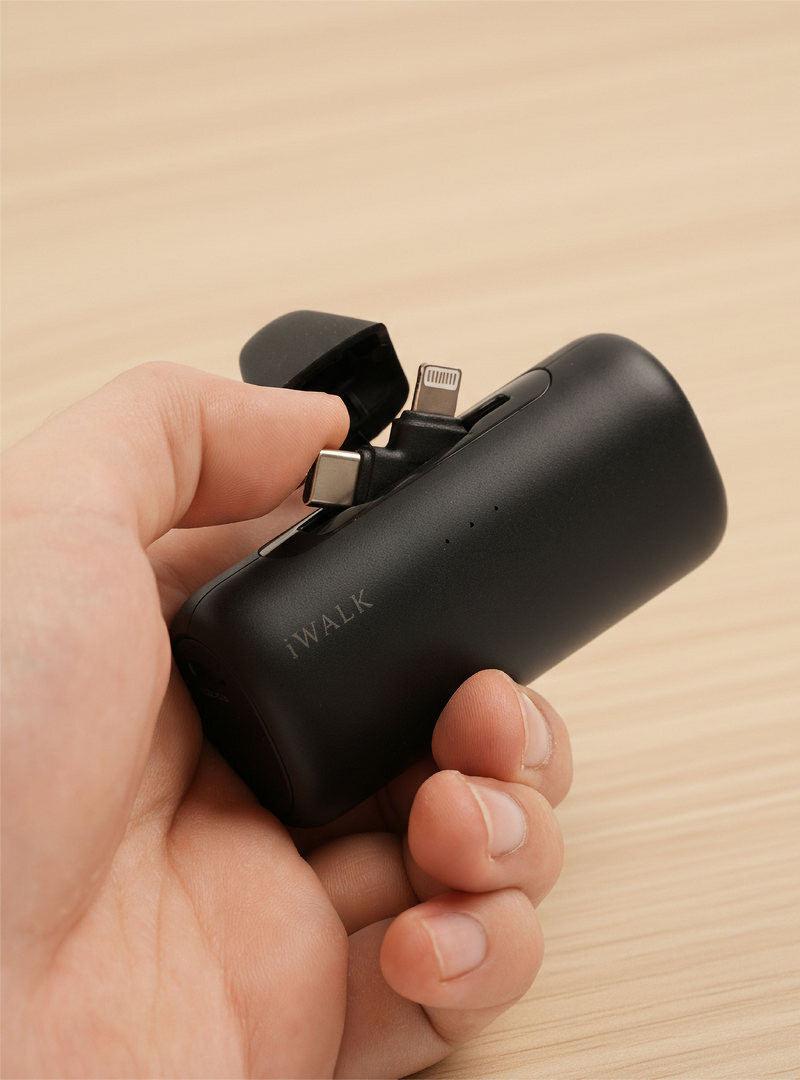
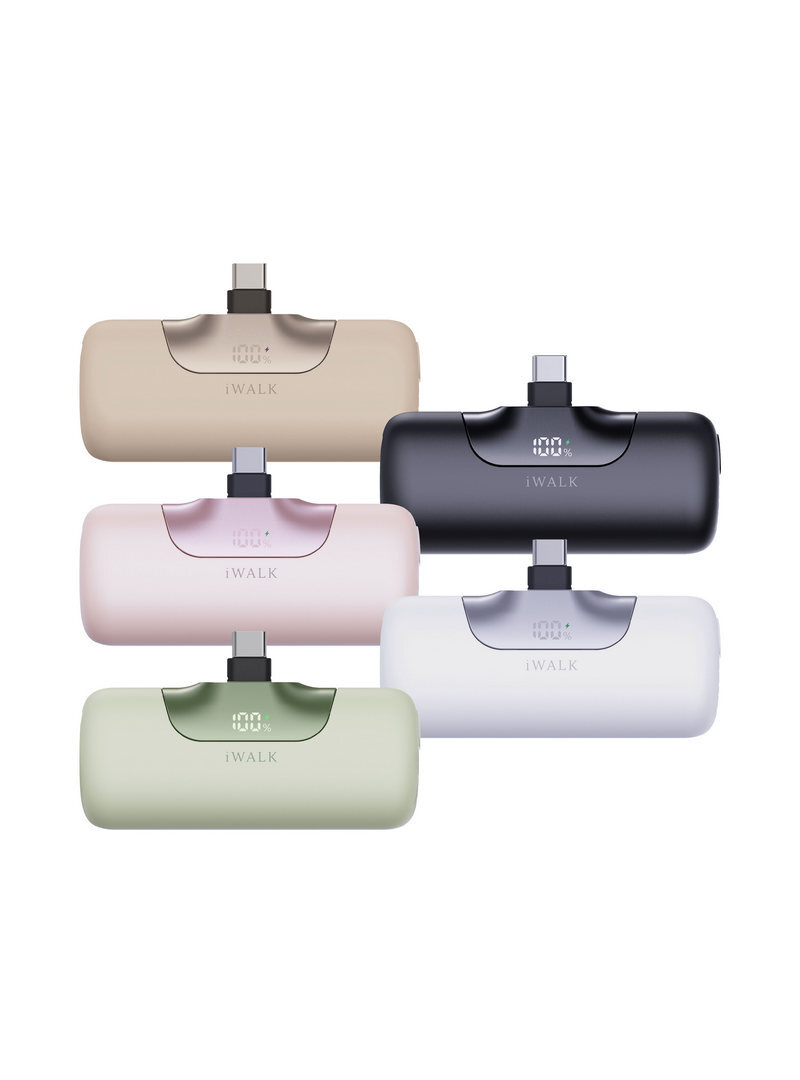
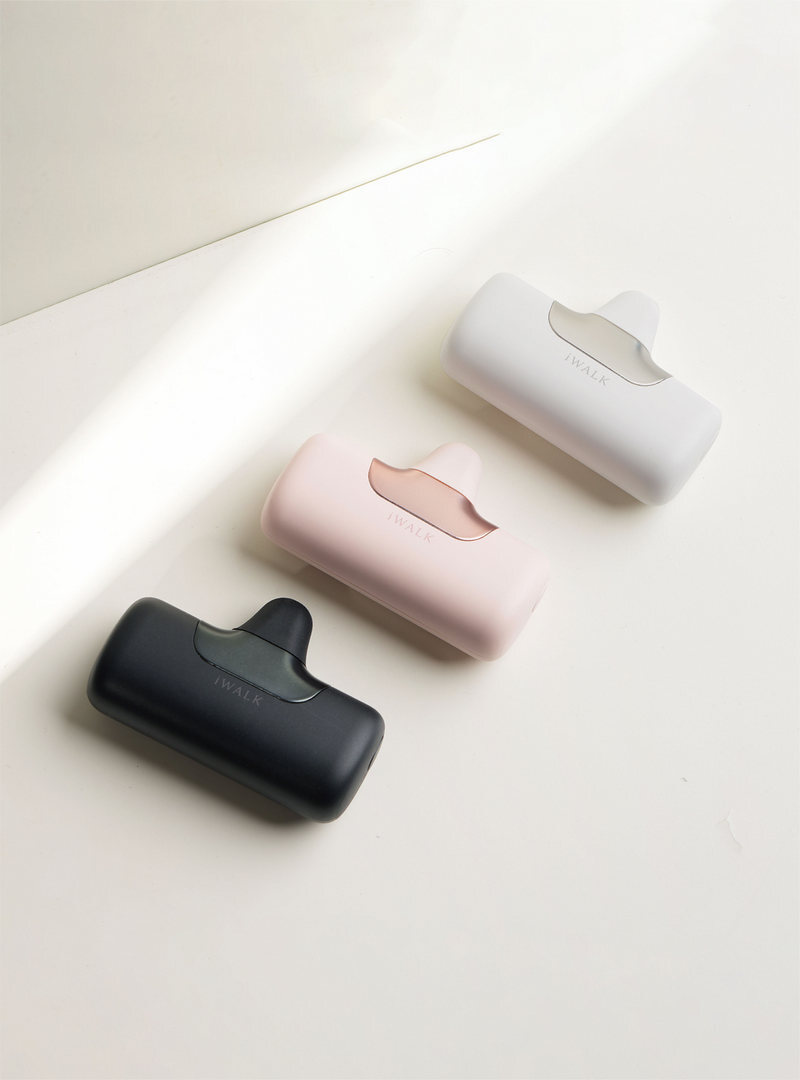
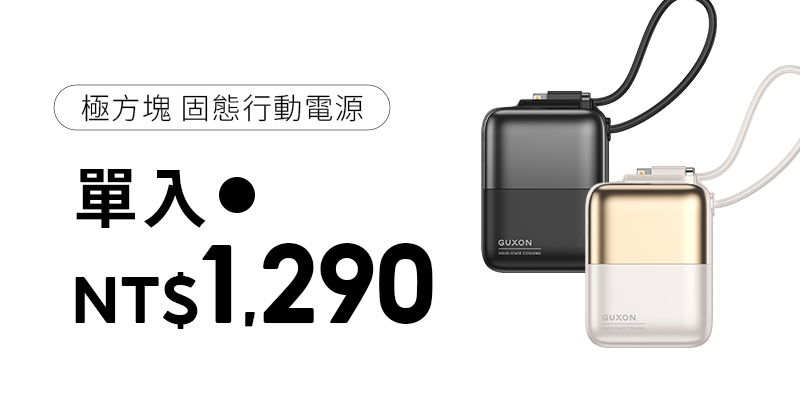
This guide walks through the decisions that matter, using the iWALK and GUXON range sold in Taiwan as worked examples.

1. Match the capacity to how you actually use it

Short trips, phone only

A small 3,000–5,000 mAh power bank is enough. Light, pocketable, and ideal for a quick top-up.

Longer trips, phone and tablet

Step up to 5,000–10,000 mAh. That covers a full day out without worrying about running flat halfway through.

Charging several devices at once

If you carry a phone, earbuds and a watch, look for a dual-cable or multi-port design.

2. Check the output rating and fast-charging support

Capacity is only half the story. Output wattage and the fast-charging protocols a power bank supports matter just as much.

If your phone supports PD fast charging — most recent iPhone and Samsung models do — look for a power bank that supports PD or QC with an output of at least 18 W. Below that, you will not see the charging speed your phone is capable of.

A rough guide:

  • iPhone with PD fast charging: 18 W or above
  • Android with PD fast charging: 18–25 W or above

Models that meet this:

3. Portability and design still count

A power bank is something you carry every day, so how it looks and feels is part of the decision. Consider the form factor, the materials, and how easily it goes in a pocket or bag.

4. Look for safety certification and after-sales cover

Before you buy, check that the product carries the safety certification required in your market and comes with a proper warranty. This is the part people skip, and it is the part that matters if something goes wrong.

Every GUXON and iWALK power bank sold in Taiwan is BSMI certified and covered by a one-year manufacturer warranty.

In summary

Choosing a power bank is not only about picking a capacity or a spec sheet. Work through it in this order and the choice usually makes itself:

  1. How much capacity do you actually need?
  2. Does the output match your phone's fast-charging capability?
  3. Will you carry it every day?
  4. Is it certified and covered?

Further reading