Can You Take a Power Bank on the Taipei Metro? 2026 Rules
2026-09-23
GUXON 3C News
🚇 Can you take a power bank on the Taipei Metro in 2026?
A power bank incident on the Taipei Metro in early 2026 drew a lot of attention. Can you actually carry one, and can you use it on board? Here are the current rules, the safety advice and the common questions.
A power bank is close to standard equipment for anyone leaving the house. But after a power bank began smoking on the Taipei Metro in early 2026, people started searching: can you bring a power bank on the metro, and can you use it in the carriage?
A claim even circulated that the Taipei Metro had banned power bank use outright, which confused a lot of commuters. Here is what the rules actually say in 2026.
📖 Contents
Can you bring a power bank on the metro?
Can you use one in the carriage?
Why does the Taipei Metro advise against using one?
The official safety advice
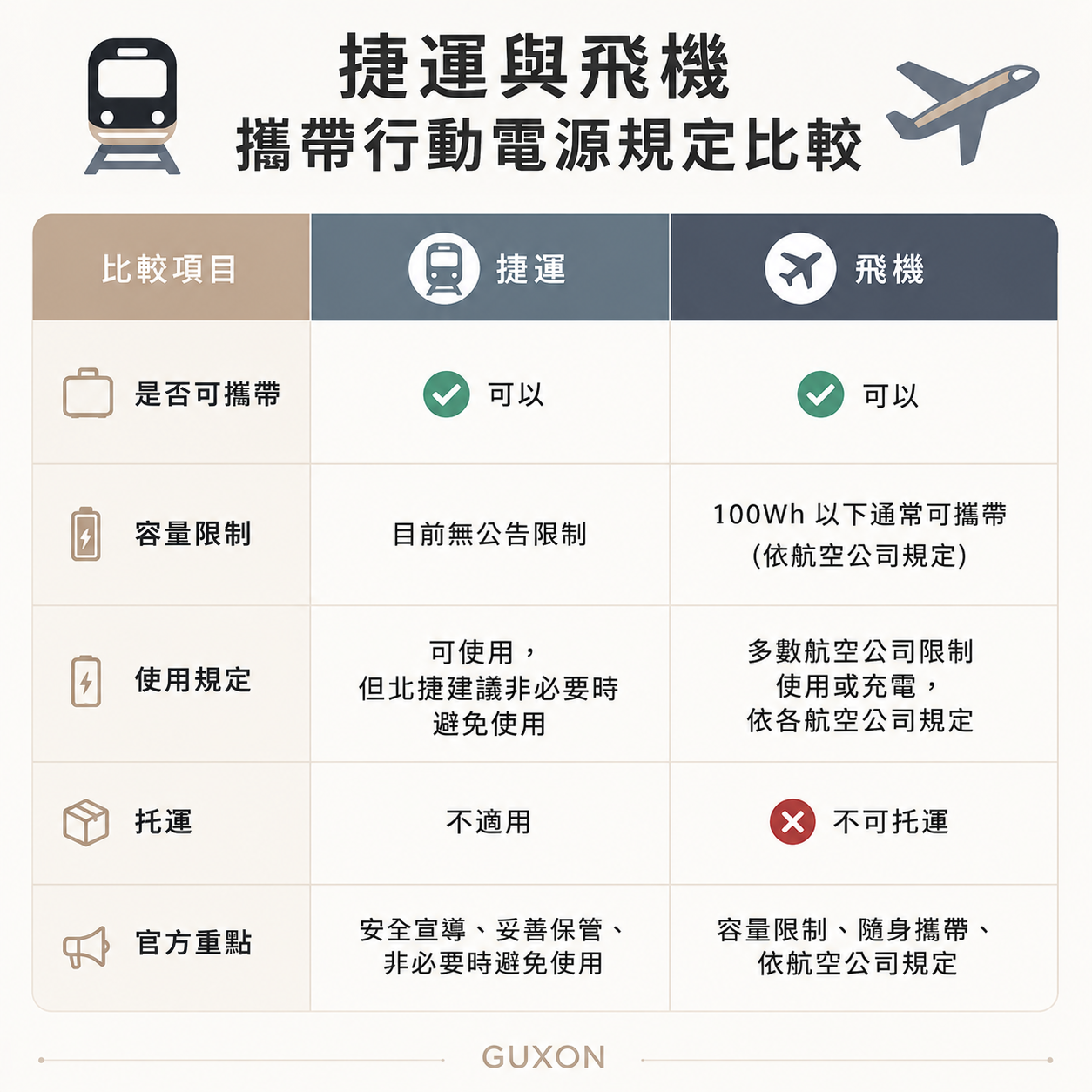
Metro rules compared with air travel
FAQ
🚇 Can you bring a power bank on the metro?
Yes.
The Taipei Metro does not prohibit passengers from carrying power banks. Any power bank in normal working order can come into the station and onto the train with you.
Unlike air travel, no capacity limit has been announced for ordinary passengers, so the 100Wh and 160Wh thresholds do not apply here.
💡 In short
✅ Power banks may be carried on the metro.
✅ No announced capacity limit.
✅ Ordinary passengers can carry one freely.
⚠️ Choose a good-quality, BSMI-certified product.
🔋 Can you use one in the carriage?
This is the question people ask most.
After the smoking incident in early 2026, the Taipei Metro issued safety guidance advising passengers to avoid using a power bank inside the metro system unless necessary, to reduce the risk of a lithium battery overheating or igniting.
The Metro later clarified that no regulation prohibits passengers from using a power bank, and station staff will not stop anyone from doing so. The announcement is safety advice, not a rule.
📌 Reading the announcement correctly
Carrying a power bank is not prohibited.
Using a power bank is not prohibited.
The Metro advises avoiding charging in the carriage unless necessary.
The purpose is to reduce the risk of a lithium battery fault.
⚠️ Why the advice?
There have been repeated lithium battery incidents worldwide in recent years, including power banks failing on public transport. A metro carriage is a relatively enclosed space, so a battery fault there could affect every passenger — hence the stronger safety messaging.
🚇 Metro rules compared with air travel
Item
Metro
Air travel
Can you carry one?
✅ Yes
✅ Yes
Capacity limit
None announced
Usually allowed under 100Wh (per airline)
Use
Permitted, but the Metro advises avoiding it unless necessary
Most airlines restrict use or charging (per airline)
Checked baggage
Not applicable
❌ Not allowed
Official emphasis
Safety advice, keep it in view, avoid unnecessary use
Capacity limits, cabin only, follow the airline
📌 In short
✅ Power banks can be carried on the metro.
✅ No announced capacity limit for ordinary passengers.
✅ Use is not prohibited.
⚠️ The Metro advises avoiding charging in the carriage unless necessary.
⚠️ Use BSMI-certified products, and never one that is swollen, damaged or unusually hot.
📱 Good habits keep commuting both convenient and safe.
❓ FAQ
Q1. Can you bring a power bank on the Taipei Metro?
Yes. The Metro does not prohibit it. As long as the product is in normal condition, you can carry it with you.
Q2. Is there a capacity limit?
No limit has been announced for ordinary passengers. The 100Wh and 160Wh air travel rules do not apply.
Q3. Can you charge your phone from a power bank on the metro?
Use is not prohibited. The Metro does advise avoiding charging in the carriage unless necessary, to reduce the risk of a battery overheating or smoking.
Q4. Why does the Metro give this advice?
Because of the smoking incident. The guidance aims to lower the risk of a battery fault in an enclosed carriage — it is not a blanket ban.
Q5. Which power bank suits daily commuting?
One with BSMI certification, USB-C PD support, and roughly 5,000mAh to 10,000mAh. Easy to carry, and enough for a day of commuting.
Q6. Can you charge it inside your bag?
Better not to. Charging generates heat, and an enclosed backpack or case restricts it. Use it somewhere ventilated and keep an eye on it.
📝 Summary
The Taipei Metro allows power banks and has announced no capacity limit for ordinary passengers. Using one in the carriage is not prohibited either, but for safety it is worth avoiding unnecessary charging and watching for any unusual heat, swelling or damage.
A certified, reliable power bank plus sensible habits makes commuting easier without raising the risk.
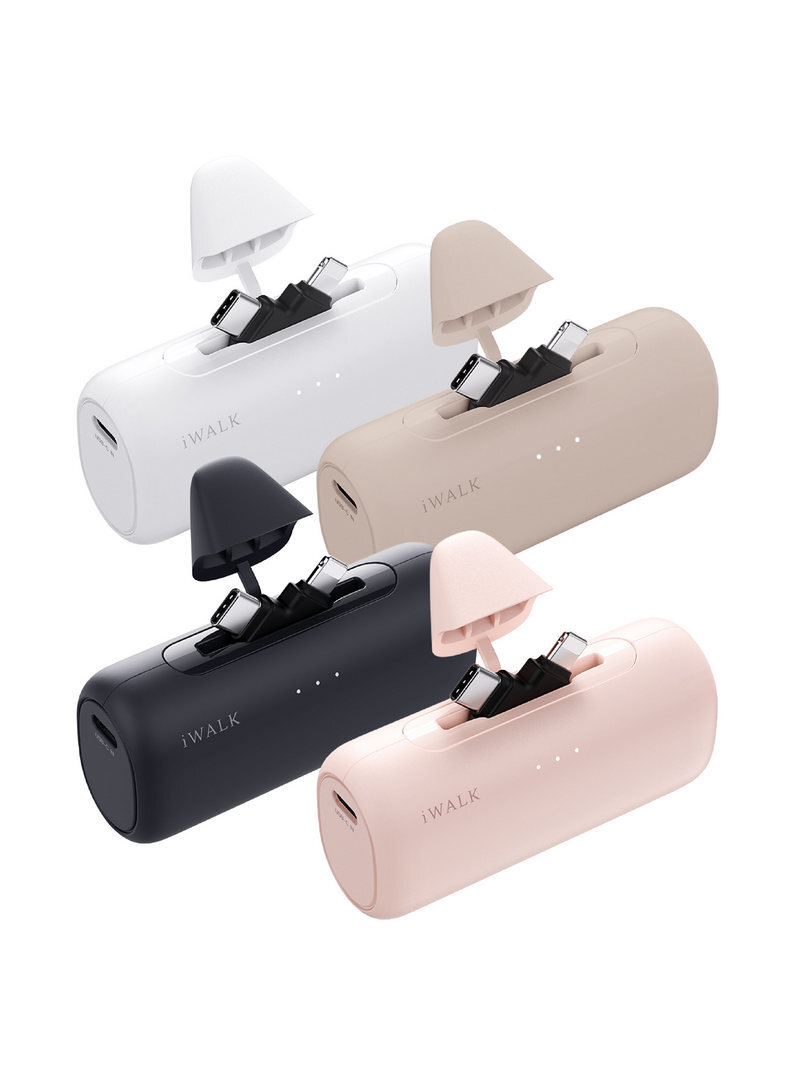
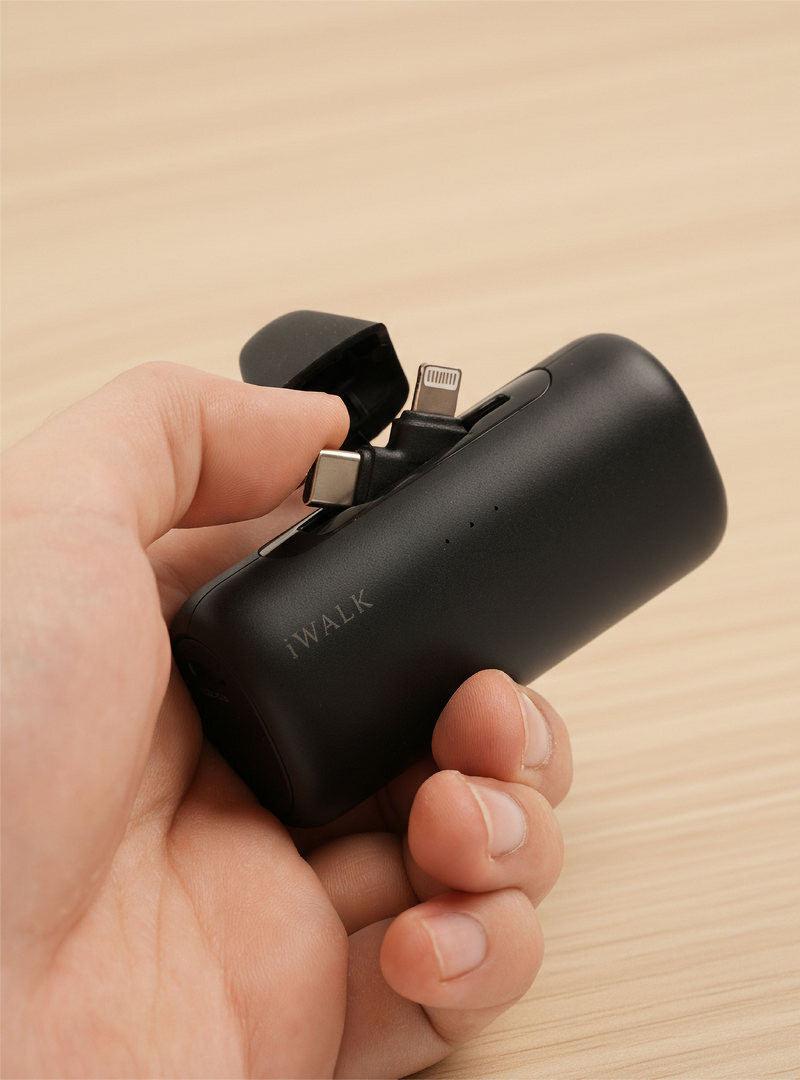
🔋 Browse GUXON power banks — PD fast charging, light enough to carry daily, built to Taiwan's safety requirements.