Airline Power Bank Rules: Taiwan, Korea and China Carriers Compared
2026-09-24
Updated 4 February 2026
China has announced that from August 2025, a power bank carried through a transfer inside China must show CCC certification marking.
EVA Air and China Airlines have announced that from March, passengers are prohibited from using power banks and lithium batteries during the flight. Starlux and Tigerair Taiwan already prohibited in-flight use.
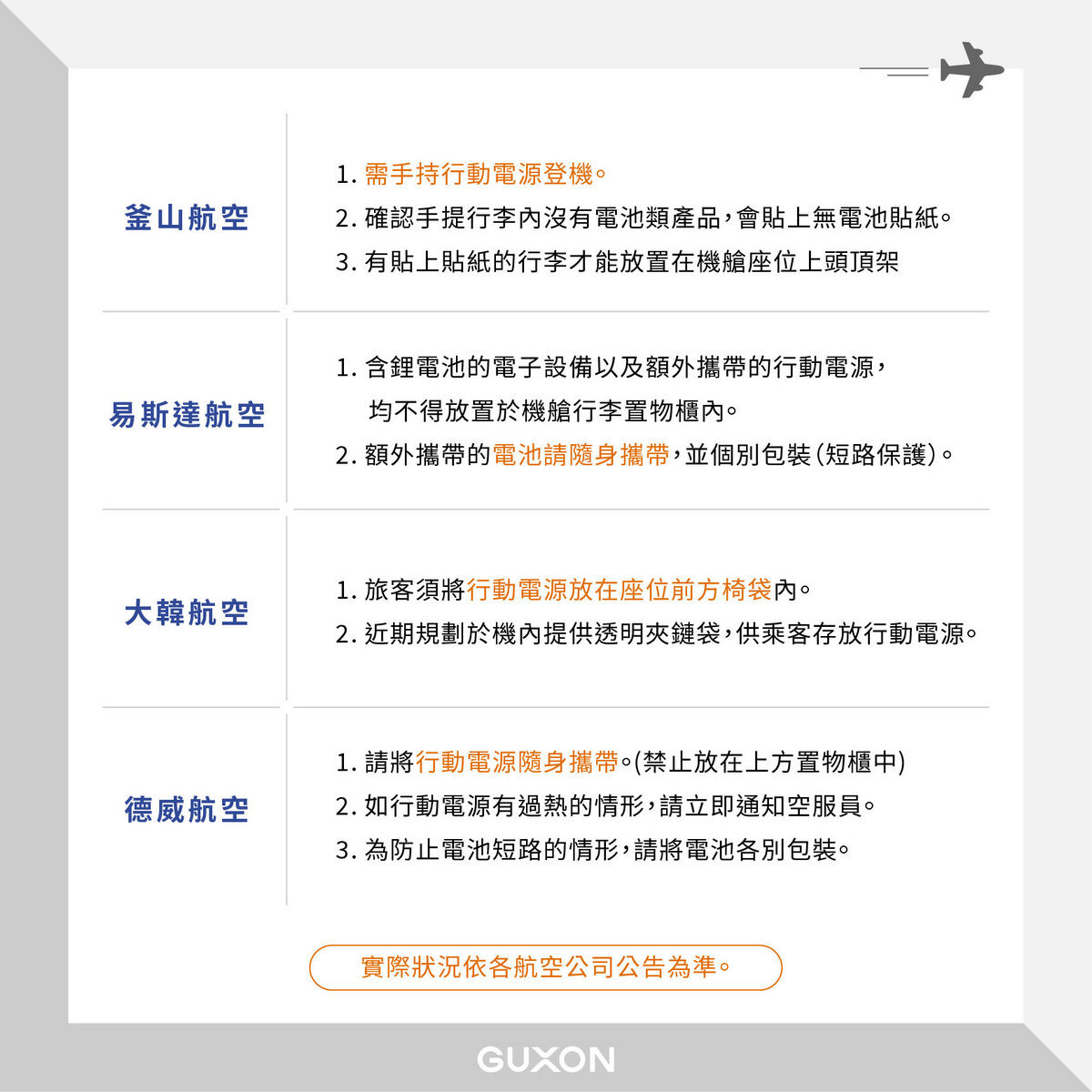
Air Busan announced that from 7 February 2025, all power banks must be carried in hand. Once cabin baggage is confirmed free of batteries it is tagged "no battery", and only tagged bags may go in the overhead locker.
📍 Following Air Busan, Eastar Jet, Korean Air, Asiana Airlines, T'way Air and Jeju Air all issued their own rules on 7 February 2025.
✨ Can a power bank go on a plane? The current international rules
Under ICAO and IATA standards, the rules are explicit. They are written in watt-hours (Wh):
✅ Under 100Wh — carry freely
⚠️ 100Wh to 160Wh — airline approval required, two per passenger
❌ Over 160Wh — prohibited, in the cabin and the hold
✈️ 1. Hand luggage only
Never in checked baggage. A lithium battery fire in the hold is high-risk and hard to deal with in time, so every lithium battery product, power banks included, travels in the cabin.
⚖️ 2. How to read the capacity
The measure is Wh, not mAh.
Wh = (mAh ÷ 1000) × V
For a 20,000mAh unit at 3.7V: (20,000 ÷ 1,000) × 3.7 = 74Wh. Under 100Wh, so no approval needed.
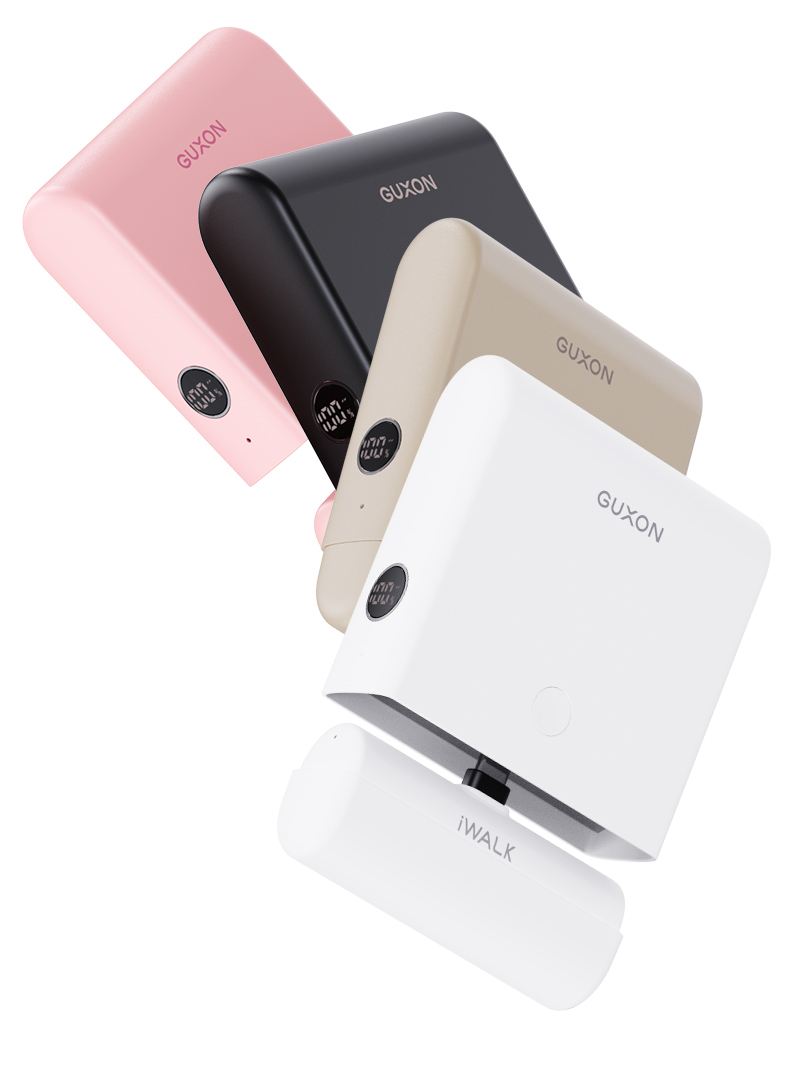
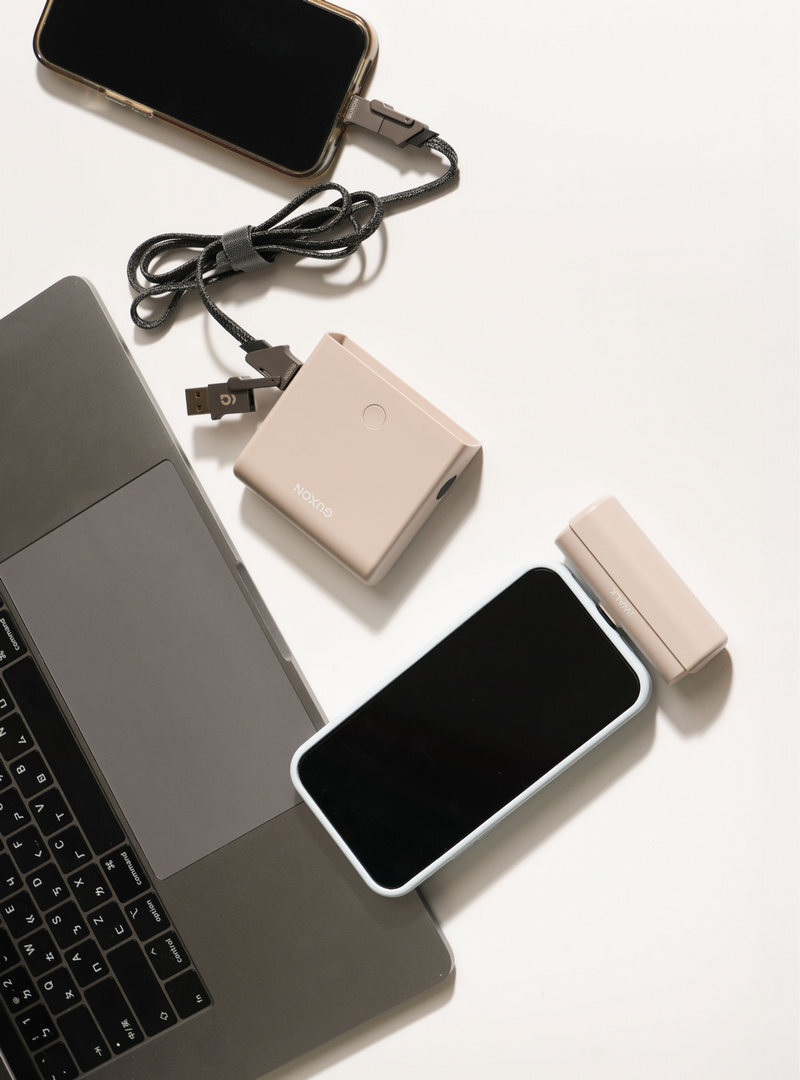
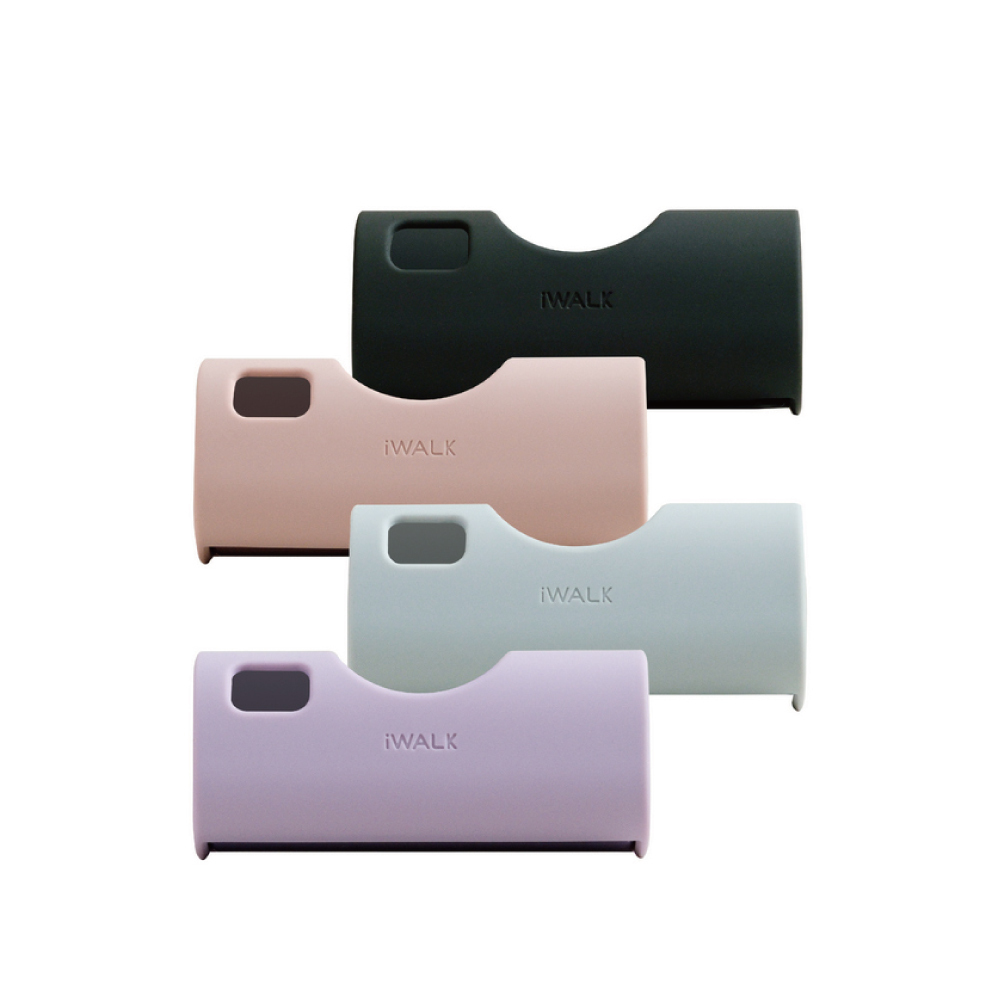
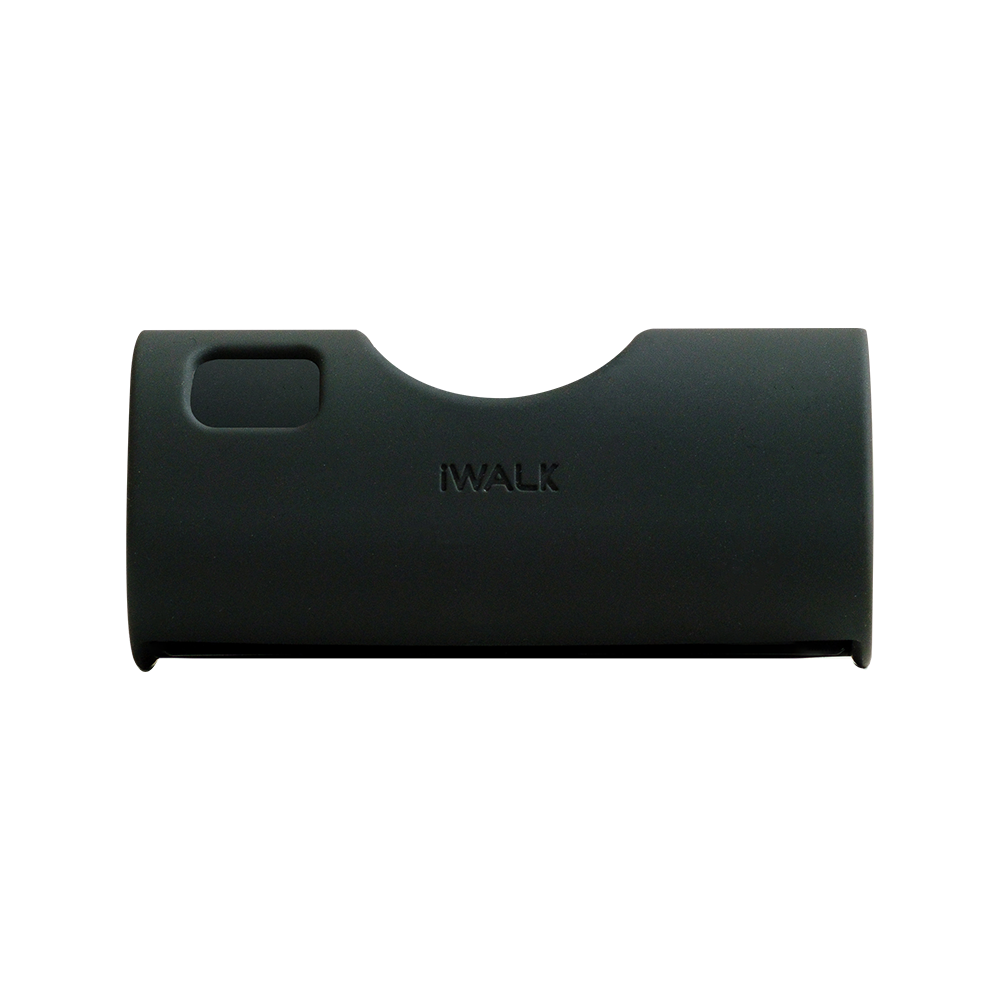
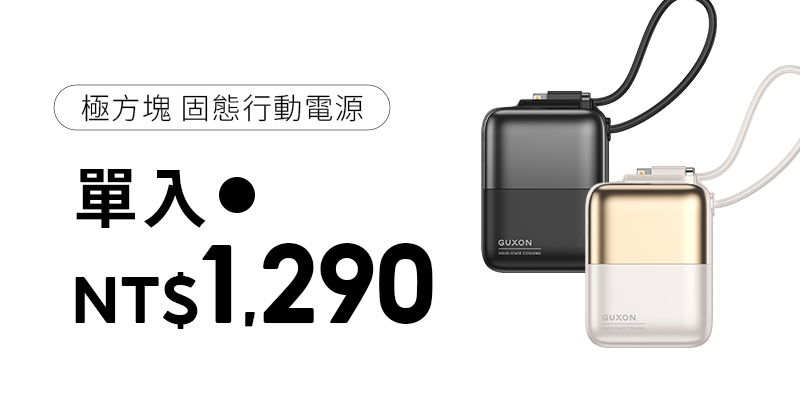
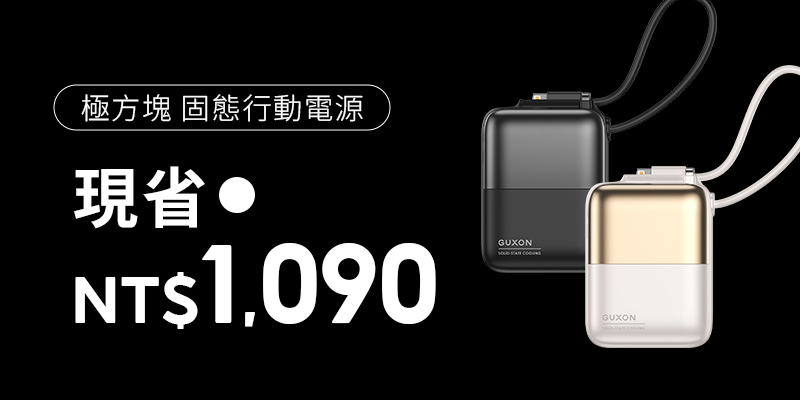
💼 GUXON and iWALK power banks
All carry the Wh figure printed on the product label, so you can check it against the boarding threshold without converting anything or looking up a specification sheet. All are under 100Wh:
🔋 5th Gen PRO, stand version — 17.76–17.86Wh
🔋 5th Gen PRO, plug-in — 17.76–17.86Wh
🔋 4th Gen classic / upgraded — 16.2Wh
🔋 Squid high-capacity power bank with three built-in cables — 35.77Wh
🔋 Watch Mini portable charger — 18Wh
📌 Airline rules
Airline
Under 100Wh
100–160Wh
Over 160Wh
Cathay Pacific
Permitted
Approval required, max 2
Prohibited
EVA Air
Permitted
Approval required, max 2
Prohibited
China Airlines
Permitted
Approval required, max 2
Prohibited
Japan Airlines
Permitted
Approval required, max 2
Prohibited
American Airlines
Permitted
Approval required, max 2
Prohibited
👉 Airlines update their rules as circumstances change. Check the carrier's own website or contact them before you fly.
Korean carriers in detail
Air Busan: carry it in hand; cabin baggage must be free of battery products.
Eastar Jet: not in the overhead locker, and each unit individually wrapped.
Korean Air: keep it in the seat pocket in front of you.