Frequently Asked Questions
Is a bigger power bank always better?
Not necessarily. More capacity usually means more spare power, but size, weight and the burden of carrying it go up too.
Topping up on a commute is very different from a long day out, travel, or charging several devices at once. Rather than chasing maximum capacity, work out roughly how much power you need in a day, whether you will carry it with you, and which devices you use most.
For a power bank, enough capacity that you are willing to carry is usually more practical than the largest number.
What is the difference between mAh and Wh? Which should I look at?
mAh is commonly used for battery capacity, while Wh also takes voltage into account and describes how much energy can be stored. They are not measuring quite the same thing.
For everyday choices mAh gives an easier sense of the capacity bracket; for situations like air travel, Wh is the more important figure. So do not rely on one number alone — capacity, the Wh marking and how you will actually use it are all worth checking together.
How do I choose between plug-in, magnetic and built-in-cable power banks?
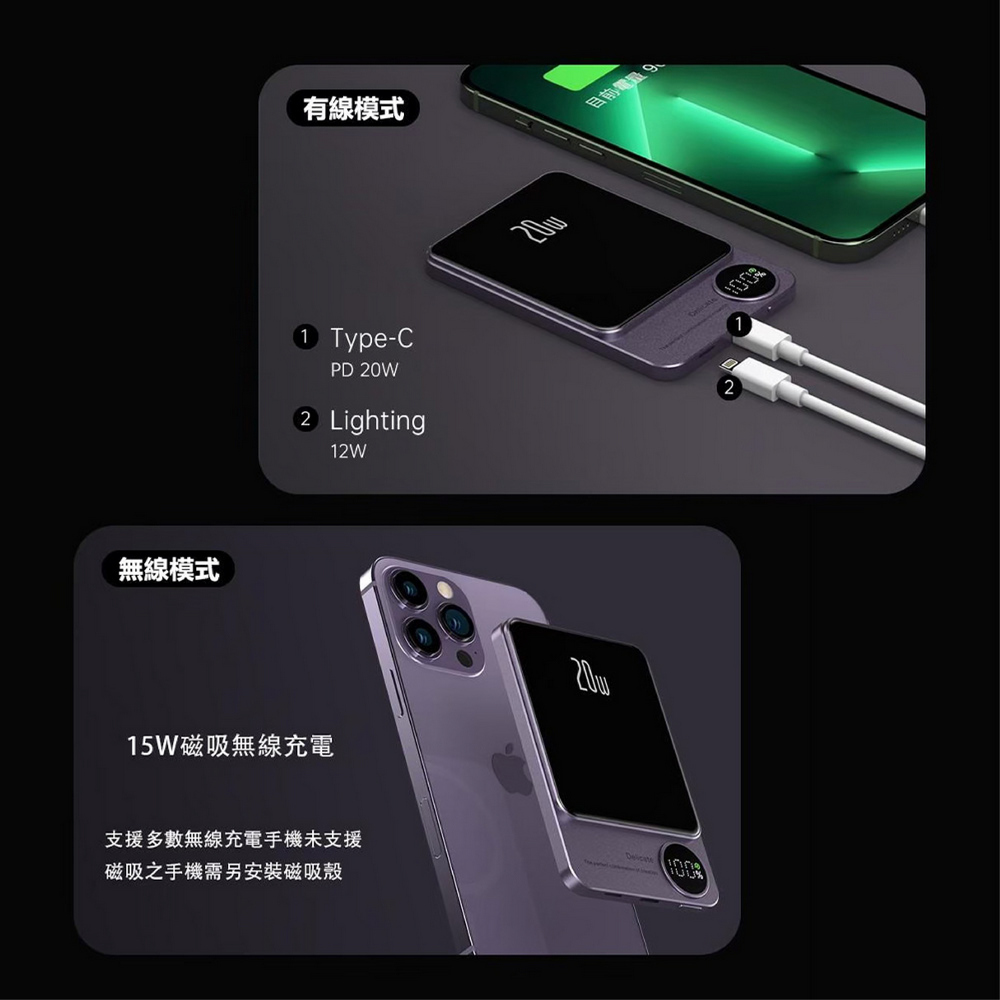
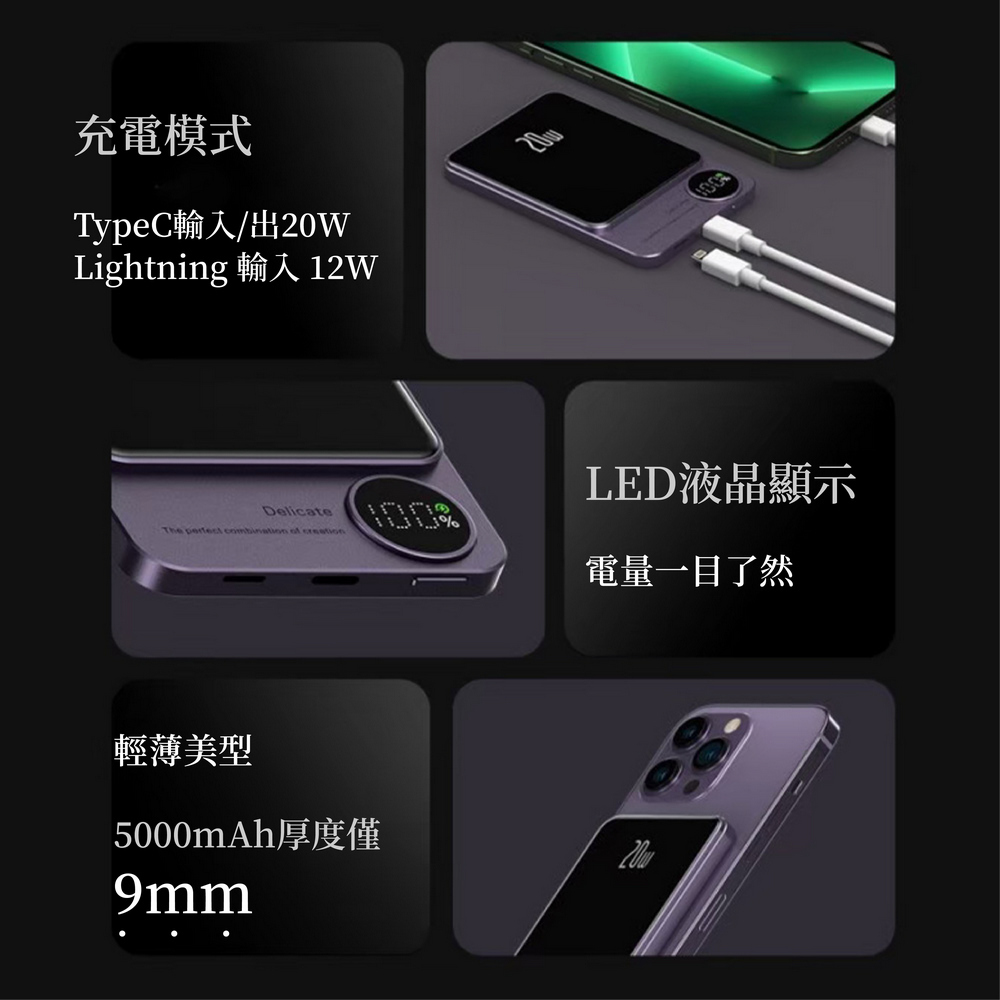
It comes down to what you want to stop carrying. Plug-in models need no cable and suit quick top-ups; magnetic models attach to the back of the phone and suit use on the move; built-in-cable models carry the cable in the body, for anyone who would rather not pack one separately.
All three reduce what you carry, just in different ways. Working out where you most often need to top up will find the right model faster than comparing feature lists.
Why can’t a power bank’s rated capacity all go into my phone?
Because energy is lost during conversion and transfer, so usable capacity is normally lower than the rated figure. This is true of power banks generally, not a fault of any one product.
Phone battery capacity, whether you use the phone while charging, and ambient temperature also affect how many charges you get. Treat charge counts as a range rather than a fixed number.
Why do fast-charging power banks still charge at different speeds?
Fast charging requires the power bank, the cable and the device to support the same protocol and power. If any one of them falls short, the speed drops back to a lower level.
If charging is slower than expected, check all three together rather than replacing just one.
What should I watch for with a power bank when travelling abroad?
Beyond capacity and portability, check that the markings on the body are clear and that it meets the carriage rules of your airline and the places you are entering and leaving.
Requirements differ between airlines and regions, so past trips are not a reliable guide. Before you leave, check the GUXON site’sguide to taking power banks on flights, then confirm against your actual flight’s rules.
What matters most in a travel power bank is that it is easy to carry day to day, enough when you need it, and that you have confirmed the carriage conditions before departure.
How long does a power bank last? When should I replace it?
Lithium batteries are consumables — as charge cycles accumulate, usable capacity gradually declines. That is normal.
If you notice a clear drop in runtime, charging problems, a deformed or swollen body, overheating or an unusual smell, stop using it. Stop charging and dispose of it properly rather than pushing it a little further.
Is a smaller, lighter power bank always better to carry?
Not necessarily. A small body does pack away easily, but it usually also means lower capacity and fewer top-ups.
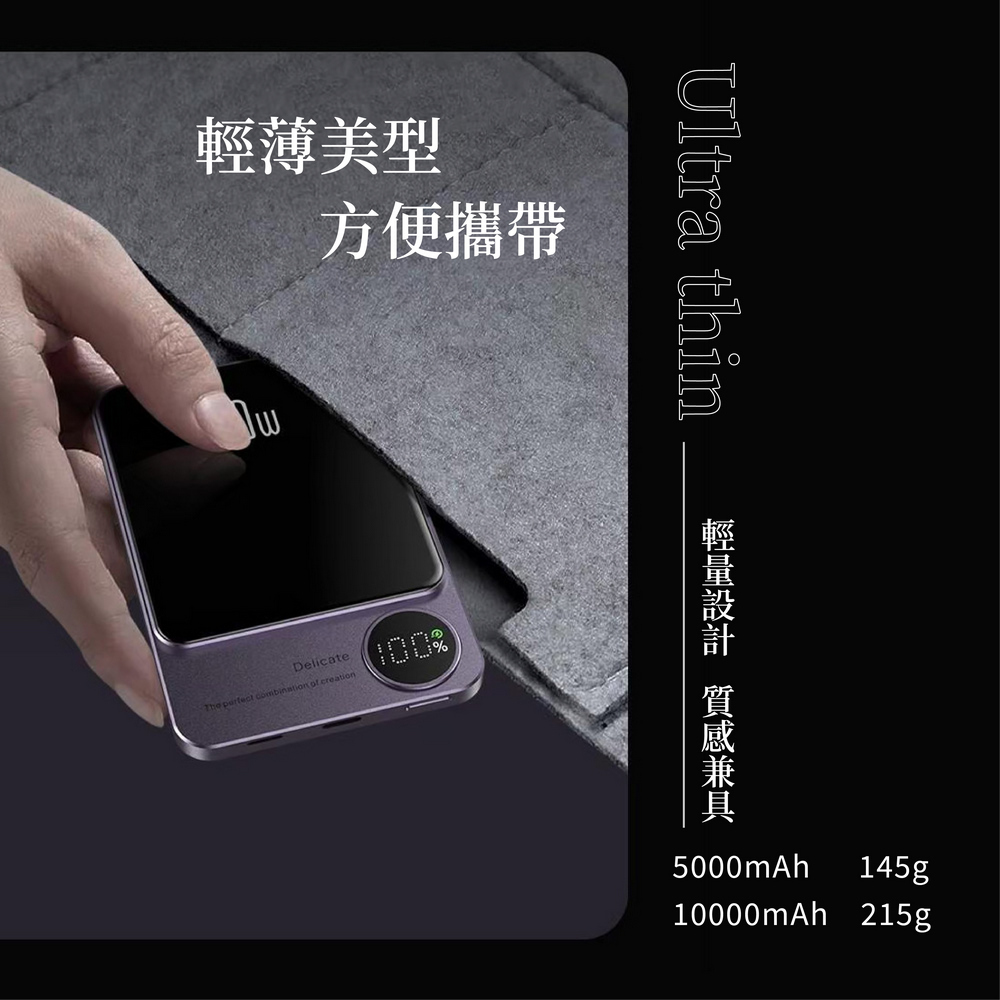
If you only need one emergency charge a day, light weight is very welcome; if it has to last all day or cover several devices, too little capacity can leave you watching the battery more often. The balance between portability and enough capacity matters more than weight alone.
Is a power bank with a built-in cable always more convenient?
In most cases it does save effort, since there is no cable to pack. But the built-in connector type is fixed, so if your devices use a different connector you may still need a separate cable.
Before buying, check that the built-in connector matches your main device and that the cable is long enough. Convenience depends on whether it happens to match how you use things.